
 0



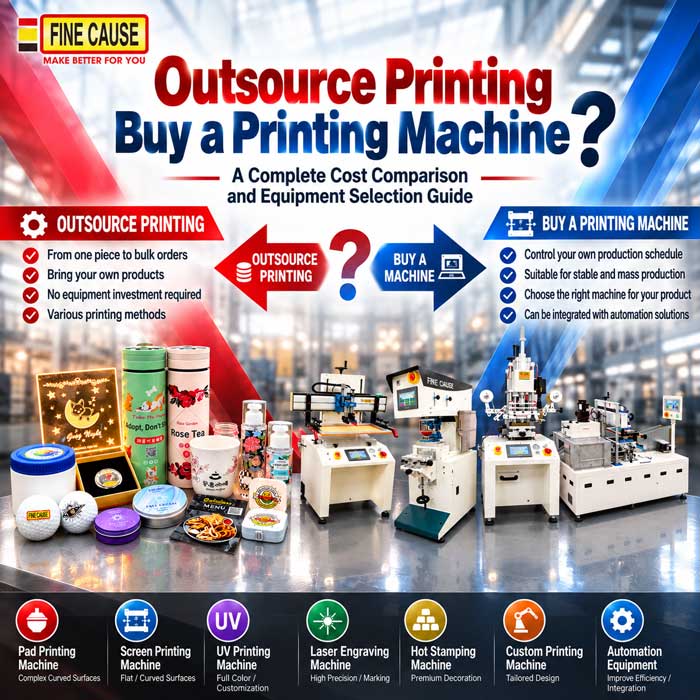
PRINTING MACHINE BUYING GUIDE | PRODUCTION DECISIONS
Should your company buy a printing machine or outsource the printing process?
From product logos and electronic component markings to bottles and packaging decoration, manufacturers need to choose both the right printing technology and the right production model. Contract printing can reduce initial equipment investment, while in-house printing equipment can offer greater control over scheduling and production-line integration. Neither approach is always better: the decision depends on product characteristics, order frequency, processing costs, quality requirements, and long-term production volume.
FINECAUSE provides pad printing machines, screen printing machines, UV direct printers, laser engraving machines, hot stamping machines, custom printing machinery, automation equipment, and contract printing services. This guide helps equipment buyers and manufacturers compare their options objectively and plan a suitable production solution.
1. Buying a Printing Machine vs. Outsourcing: What Is the Difference?
Outsourcing means sending customer-supplied products to a specialist for printing. Buying a printing machine means managing equipment, operators, and production processes in-house. Beyond unit prices, compare setup work, machine utilization, lead times, technical expertise, and quality management.
| Evaluation Factor | Outsourced Contract Printing | In-House Printing Equipment |
|---|---|---|
| Initial investment | No need to purchase a primary printing machine; plate-making, fixtures, and setup may still incur costs. | Investment in machines, fixtures, consumables, and a suitable operating environment. |
| Production cost | Quoted based on the product, printing process, batch size, and processing requirements. | Includes labor, consumables, setup, maintenance, and capital investment. |
| Production scheduling | Lead times and processing schedules must be coordinated with the printing service provider. | Internal scheduling is possible, subject to staffing and machine capacity. |
| Quality control | Both parties agree on samples, specifications, and acceptance criteria. | Direct process control, with responsibility for inspection and operating standards. |
| Product changes | New artwork or workpieces may require a new process assessment. | Changeovers can be handled internally but still require plate, fixture, and setup time. |
| Long-term production | Reduces the burden of machine management and supports flexible outsourcing. | May offer long-term advantages when demand and machine utilization are consistently high. |
2. When Does Contract Printing Make More Sense?
Prototyping and Small Custom Orders
When developing a product, outsourced printing can help assess print placement, colors, substrate adhesion, and appearance before investing in equipment.
Irregular Demand and Multiple Product Types
If different orders require pad printing, screen printing, full-color UV printing, laser engraving, or hot stamping, outsourcing can avoid the cost of purchasing and staffing several processes.
Special Fixtures or Process Experience
Irregular workpieces, curved products, and fine registration may require dedicated fixtures, plate making, or print trials. Experienced specialists can help assess the process.
Focus on Core Manufacturing
Companies specializing in product design, injection molding, or assembly may prefer to outsource printing rather than add machine maintenance and operator management.
FINECAUSE accepts contract printing requests starting from one piece. Single-piece samples, small custom orders, and batch production can all be evaluated according to the product and process. Customers supply the products to be printed; FINECAUSE provides the printing process, not the products themselves. Explore our guide to contract printing methods or contract printing services and applications.
3. When Should You Consider Buying a Printing Machine?
Owning a printing machine is not only about potential long-term cost savings. It can also support lead-time control, process integration, quality traceability, and production flexibility. However, operators, fixtures, plate making, and equipment utilization must also be considered.
- Consistent production: Recurring orders for similar products make it easier to evaluate machine capacity and operating costs.
- Integration with assembly: Printing, inspection, assembly, and packaging can be coordinated within one facility.
- Control over changeovers and delivery: Production can be scheduled internally, allowing time for setup and maintenance.
- Available operating expertise: Trained personnel can manage plates, inks, equipment operation, and quality inspection.
- Future automation plans: Start by checking whether a standard pad printer or screen printer fits, then evaluate custom machinery and automation as demand grows.
4. Contract Printing Costs: Why Does Order Quantity Affect Unit Price?
Contract printing quotations depend on more than the number of pieces. Substrate material, product geometry, artwork size, number of colors, registration difficulty, and quality requirements can all affect the process and cost.
Preparation and Setup Are Part of the Cost
Pad printing and screen printing typically involve plate preparation and process adjustments. Some products require custom fixtures for stable positioning. UV direct printing, laser engraving, and hot stamping can also involve setup work depending on the product and design.
One-Piece Printing Is Available, but Unit Costs Vary with Quantity
FINECAUSE can evaluate printing orders starting from one piece. Since plate making, setup, testing, and positioning may still be required for small orders, a separate machine setup charge applies when the order is below the minimum processing quantity. With larger quantities, certain preparation costs are distributed across more pieces, so the average unit cost may decrease.
Actual quotations depend on the product and processing conditions. Minimum quantities, unit prices, and setup charges are assessed individually rather than published as fixed figures.
| Cost Factor | Potential Impact |
|---|---|
| Material and surface | Affects process selection, inks, and possible surface pretreatment. |
| Product geometry | May require special positioning, clamping, or dedicated fixtures. |
| Artwork and colors | Influences plate making, printing passes, and color registration. |
| Order quantity | Affects allocation of setup costs and machine setup charge conditions. |
| Quality requirements | Influences testing, inspection, and process parameters. |
| Lead time and post-processing | Must be assessed against the actual schedule and any additional processing steps. |
5. How to Evaluate the Investment in Printing Equipment
The purchase price is only one part of in-house printing costs. When evaluating a pad printing machine, screen printing machine, UV printer, laser engraver, or hot stamping machine, consider tooling, consumables, operators, maintenance, and actual production efficiency.
- Define production requirements: List product types, batch quantities, order frequency, and the expected production period.
- Match the process and machine: Select equipment based on materials, shapes, artwork, colors, and print dimensions.
- Account for labor and setup: Include plate making, changeovers, machine adjustments, inspection, cleaning, and maintenance.
- Estimate machine utilization: Determine whether sufficient work is available instead of relying only on a machine's maximum rated speed.
- Compare total production costs: Evaluate capital and operating costs against actual outsourcing quotations and related logistics.
6. How to Choose the Right Printing Machine for Your Product
Choose industrial printing equipment based on the product and required result, not by selecting a machine first and forcing the product to fit. The following overview introduces common processes and purchasing considerations.
Pad Printing Machines | Logos and Irregular Surfaces
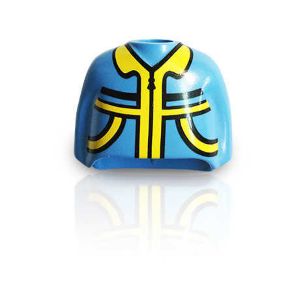
Pad printing is well suited to small logos, keypad markings, plastic housings, and certain curved or irregular surfaces. Check print area, ink cup size, number of colors, silicone pads, cliché plates, and fixture requirements.
Ink Cup Pad Printing Machines
FC-161ANC Standard Pad Printer
Screen Printing Machines | Flat and Curved Products
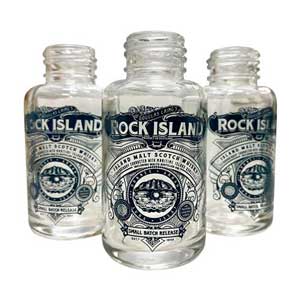
Flatbed screen printers can be used for panels and sheet materials. Curved screen printing machines are evaluated according to bottle diameter, curvature, and print area. Important factors include screen frames, squeegees, product registration, and print stroke.
Flatbed Screen Printing Machines | Curved Screen Printing Machines
FA-TSN Servo Screen Printing Machine
UV Direct Printers | Full-Color and Variable Designs
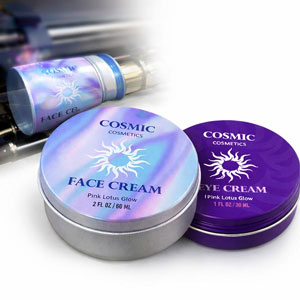
UV direct printing supports full-color graphics, personalized products, and frequently changing designs. Evaluate substrate adhesion, print bed dimensions, product height, and the configuration needed for flat or curved surfaces.
Laser Engraving Machines | Serial Numbers and Identification
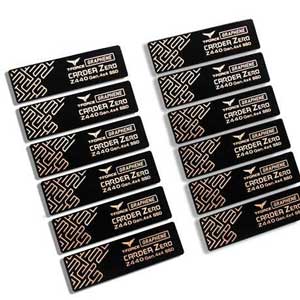
Laser engraving and marking are used for text, serial numbers, identification codes, and product branding. Different laser technologies interact differently with each substrate; choose according to material, marking result, and working area.
Hot Stamping Machines | Metallic and Decorative Finishes

Hot stamping can create metallic-looking logos and decorative finishes. Evaluate the product geometry, stamping area, tooling, temperature, pressure, and compatibility with the material.
Custom Printing Machines and Automation | Process Integration
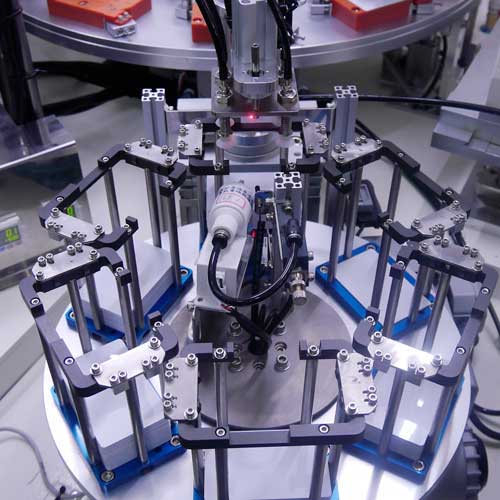
When standard equipment cannot meet specialized positioning, multi-station processing, loading/unloading, or inspection requirements, custom printing machinery and automation can be planned around the overall production cycle.
Custom Pad Printing Machines | Custom Screen Printing Machines
How to Choose Automation Equipment
The above is general selection guidance. Actual material compatibility and processing capabilities must be confirmed for the machine configuration and workpiece through appropriate testing.
7. Standard Printing Machines, Custom Machines, or Automation?
Not every production process needs custom equipment. A standard pad printing machine or screen printing machine, paired with suitable fixtures and optional modules, may meet the requirement. Multi-station processes, specialized positioning, and complete-line integration may require custom engineering.
| Selection Factor | Standard Printing Machine | Custom Machine / Automation |
|---|---|---|
| Main application | Established printing operations and conventional workflows. | Special workpieces, integrated stations, or specific automation needs. |
| Configuration | Existing machine models combined with appropriate options and fixtures. | Project-specific engineering based on the product, workflow, and production capacity. |
| Implementation review | Check print dimensions, product registration, and operating conditions. | Also assess cycle time, loading/unloading, inspection, and interface integration. |
| Investment focus | Fit for purpose and expected equipment utilization. | Overall process efficiency and long-term operational requirements. |
8. From Contract Printing to Production Equipment: One-Stop FINECAUSE Support
Printing requirements can change throughout a product's life cycle: prototype first, outsource small batches, add in-house equipment as production stabilizes, and later introduce custom machinery or automation. These approaches are not mutually exclusive.
Choose Contract Printing
Depending on the product material, artwork, geometry, and quantity, evaluate outsourced pad printing, screen printing, UV direct printing, laser engraving, or hot stamping, including plate making, fixtures, and print trials where needed.
Choose Your Own Printing Equipment
Based on product size, number of print colors, throughput, operating method, and line conditions, evaluate pad printers, screen printing machines, UV printers, laser engravers, hot stamping equipment, and custom automation.
What Information Should You Prepare Before Requesting Advice?
- Photos, material, dimensions, and surface geometry of the product.
- Artwork, colors, print size, and intended print position.
- Expected batch quantity, order frequency, and lead-time requirements.
- Any adhesion, abrasion-resistance, or other quality requirements.
- For equipment purchases: operating method, daily output targets, and automation requirements.
FINECAUSE can discuss options based on actual workpieces and production conditions, helping manufacturers decide between outsourcing, owning equipment, or combining both.
Frequently Asked Questions (FAQ)
Q1: Does contract printing require a large minimum order?
Not necessarily. FINECAUSE accepts requests starting from one piece. Customers provide the items to be printed. The process, plate-making, and fixture requirements are evaluated individually.
Q2: Why is the average unit price higher for small printing orders?
Plate making, setup, positioning, and testing may still be needed. A separate machine setup charge applies if the order is below the minimum processing quantity. Actual costs depend on the workpiece and process.
Q3: Is buying a printing machine always cheaper than outsourcing?
No. In-house printing also involves capital investment, labor, consumables, fixtures, maintenance, and quality management. Outsourcing may be more suitable when demand is irregular or utilization is low.
Q4: Can standard pad printers or screen printers support mass production?
Yes, depending on product specifications, cycle time, fixtures, staffing, and quality requirements. Suitability and capacity should be verified using the actual workpiece.
Q5: When should I consider custom printing machinery or automation?
When standard equipment cannot meet requirements for specialized positioning, loading/unloading, multiple stations, inspection, or integrated production cycle times.
Q6: Can we outsource printing first and buy equipment later?
Yes. Outsourcing during product development can help clarify the process. Once demand becomes stable, you can evaluate purchasing an appropriate printing machine.
Conclusion: Choose Printing Equipment for Long-Term Value, Not Price Alone
Both contract printing and buying a printing machine can be sound production decisions. Outsourcing can reduce initial investment and accommodate changing products; in-house equipment can support stable demand, scheduling control, and process integration. Some manufacturers benefit from a combination of both.
The value of industrial printing equipment should never be judged by purchase price alone. Print accuracy, mechanical durability, long-term operating stability, maintenance access, and technical support all affect production performance. A lower upfront price may become a higher operating cost if poor registration, repeated breakdowns, unavailable replacement parts, or inadequate after-sales support lead to scrap and downtime. Choosing a printing machine means investing in years of quality, efficiency, and reliability—not just comparing price tags.
FINECAUSE combines printing process expertise, equipment manufacturing, custom machinery, and automation technology. From process assessment and contract printing to machine selection and production-line planning, we help customers evaluate solutions suited to each stage of their business.
Which Printing Solution Fits Your Product?
Share product photos, materials, artwork, and expected quantities. Whether you are evaluating contract printing or purchasing equipment, FINECAUSE can help you start with the right technical discussion.
Further reading: Understanding Contract Printing Methods | How to Choose Automation Equipment
