Laser Carved Cliche vs. Etched Cliche Comparison
In the field of industrial pad printing, the pad printing plate (cliche) plays a critical role in carrying precise graphic patterns. As the demands for print quality and fine detail become increasingly stringent, many manufacturers face a common challenge when setting up production lines: "Should we choose digital laser carved cliches or traditional chemical etched steel plates?"
While traditional chemical etching has a long history, it often suffers from chemical biting (under-cutting) when handling micro-fine lines, which can lead to blurry edges or pattern expansion. In contrast, modern digital laser carving technology utilizes high-precision laser beams to ablate the steel directly, eliminating the tedious film exposure process and delivering exceptional stability. Below, the FINE CAUSE engineering team provides a comprehensive analysis comparing the two cliche processes in terms of convenience, positioning accuracy, dimensional stability, and printing results:
| Item |
Laser Carved Cliche |
Etched Cliche |
| Process Convenience |
No preparation required. Production can begin immediately upon receiving the digital artwork file. |
Requires pre-production film processing, exposure, and multi-step workflows before completing the plate. |
| Pattern Depth & Size |
The etching depth does not affect the outline dimensions of the graphic pattern. |
The deeper the etching depth, the larger the final outline dimensions of the pattern become. |
| Item |
Laser Carving Process |
Chemical Etching Process |
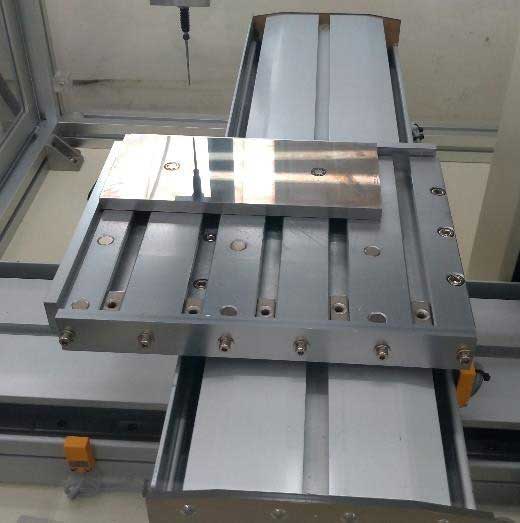
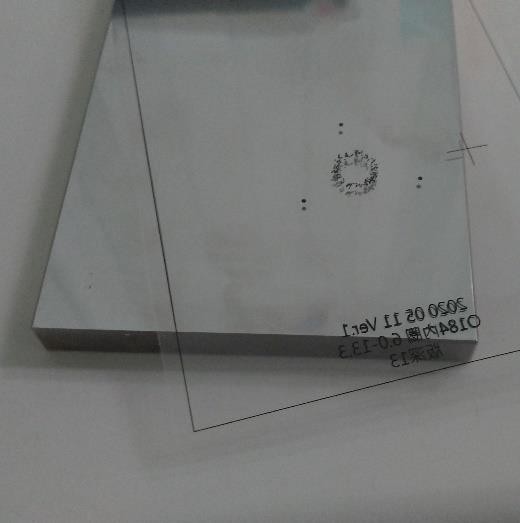
| Pattern Positioning Accuracy |
 |
 |
| Note |
Utilizes the same registration method as the pad printing machine. It offers a choice of left or right side references, aligned via a slide table to guarantee identical positioning for every production run. |
Relies on manual visual alignment for film positioning, resulting in inconsistent pattern placement with each production run. |
| Item |
Laser Carved Pattern |
Etched Pattern |
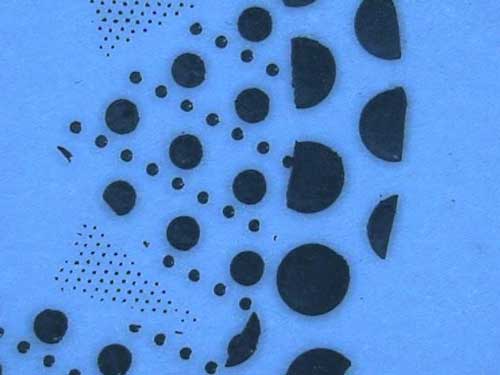
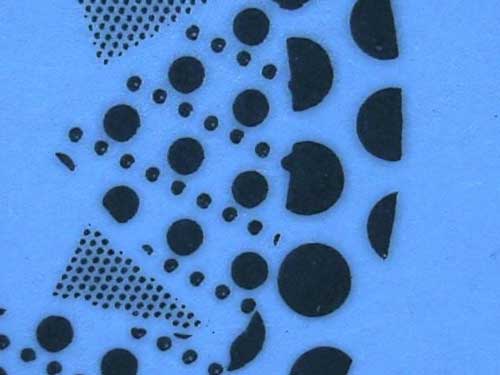
| Dimensional Stability |
 |
 |
| Note |
The printed pattern profile remains highly accurate and exceptionally close to the original artwork dimensions. |
The printed pattern exhibits overall enlargement and expansion compared to the original design. |
| Item |
Laser Carved Cliche |
Etched Cliche |
| Fine Engraving Capability |
0.02mm |
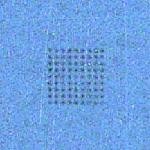 |
0.03mm |
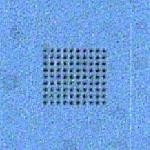 |
0.02mm |
 |
0.03mm |
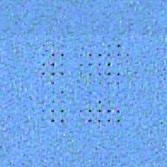 |
| 0.04mm |
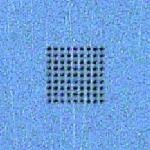 |
0.05mm |
 |
0.04mm |
 |
0.05mm |
 |
| Note |
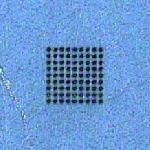
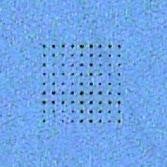
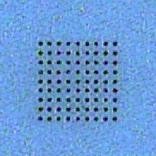
Achieves a minimum fine line detail down to 0.02mm. Patterns of 0.03mm and above deliver exceptionally crisp and clear results. |
Patterns with a line width smaller than 0.04mm tend to appear blurry and less defined. |
| Item |
Laser Carved Pattern |
Etched Pattern |
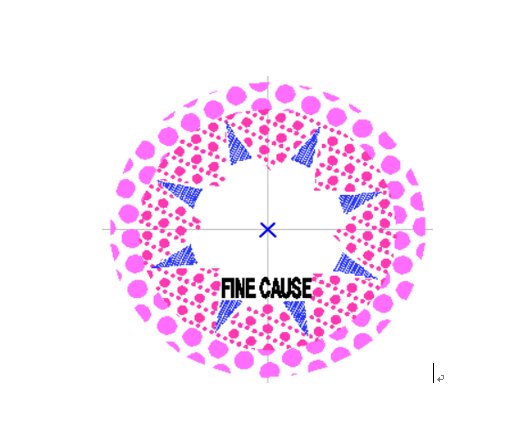
| Depth Diversity & Multi-layering |
 |
 |
| Note |
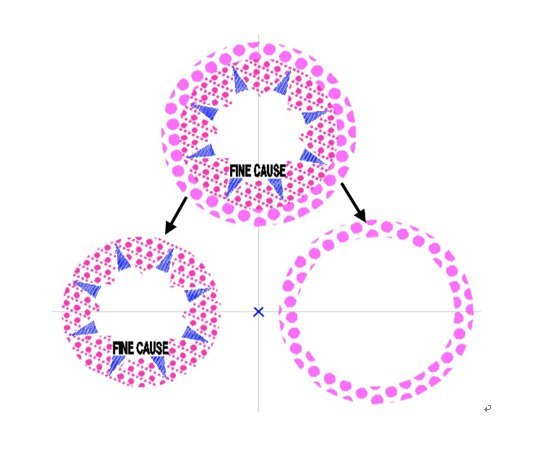
Supports digital multi-layering. Different layers can be programmed with varying depths and processed simultaneously. |
Chemical etching processes the plate uniformly after exposure, limiting the entire pattern to a single, uniform depth. |
| Item |
Laser Carved Cliche |
Etched Cliche |
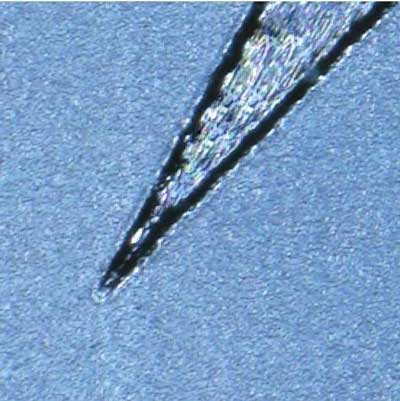
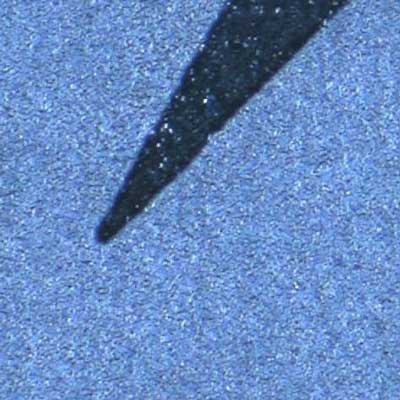
| Sharp Corner Definition |
 |
 |
| Note |
Maintains the exact sharp corner profiles and precise lengths of the original graphic design. |
The chemical biting effect causes corners to become rounded and reduces the overall original line length. |
| Item |
Laser Carved Pattern |
Etched Pattern |
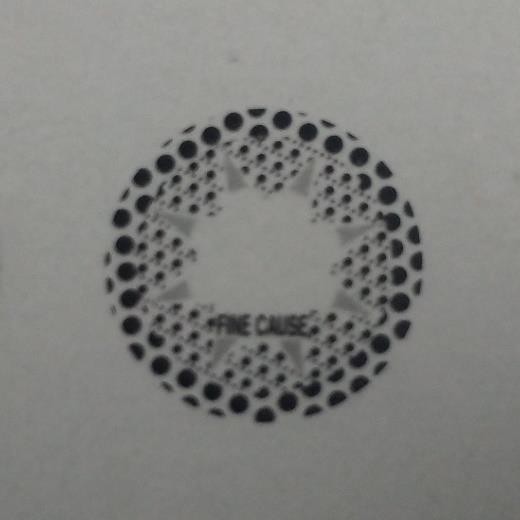
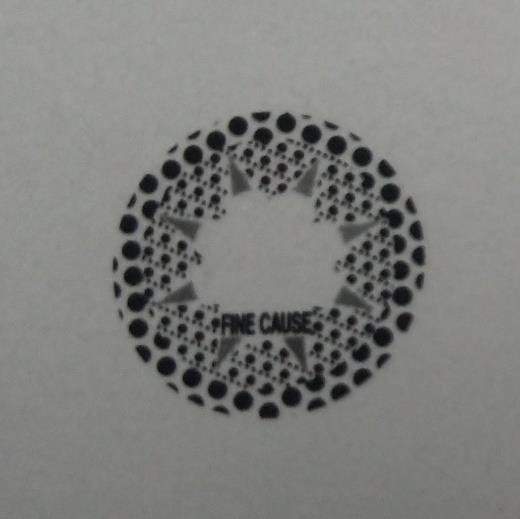
| Printed Graphic Comparison |
 |
 |
| Note |
Delivers highly fine and precise details, resulting in a relatively lighter ink density when printed. |
Due to pattern line expansion, the printed graphic appears bolder with a deeper, darker color opacity. |

 0
0



